
When your business grows, your risks tend to grow with it. A larger premises, more expensive machinery, higher stock levels, multiple locations and greater reliance on supply chains can all create exposures that your typical Business Insurance policies may no longer be designed to handle.
If you have an Australian business with substantial physical assets and/or complex operations, a major loss can affect far more than the building or equipment that was damaged. The interruption to trading can continue for months, placing pressure on revenue, staff, customer relationships and cash flow while repairs, replacement equipment or relocation are arranged.
This is where Industrial Special Risks Insurance, commonly known as ISR Insurance, may become an important part of a broader risk management strategy.
ISR Insurance is designed for businesses with larger or more complex property exposures than one would typically see be covered through a standard Business Insurance Pack or solution. But since these policies can be tailored around the individual organisation, they can also be more complex to understand.
This guide explains how ISR Insurance works, what it may cover, who it is for and what you should consider when reviewing whether your current cover is still right for your organisation.
What is Industrial Special Risks Insurance?
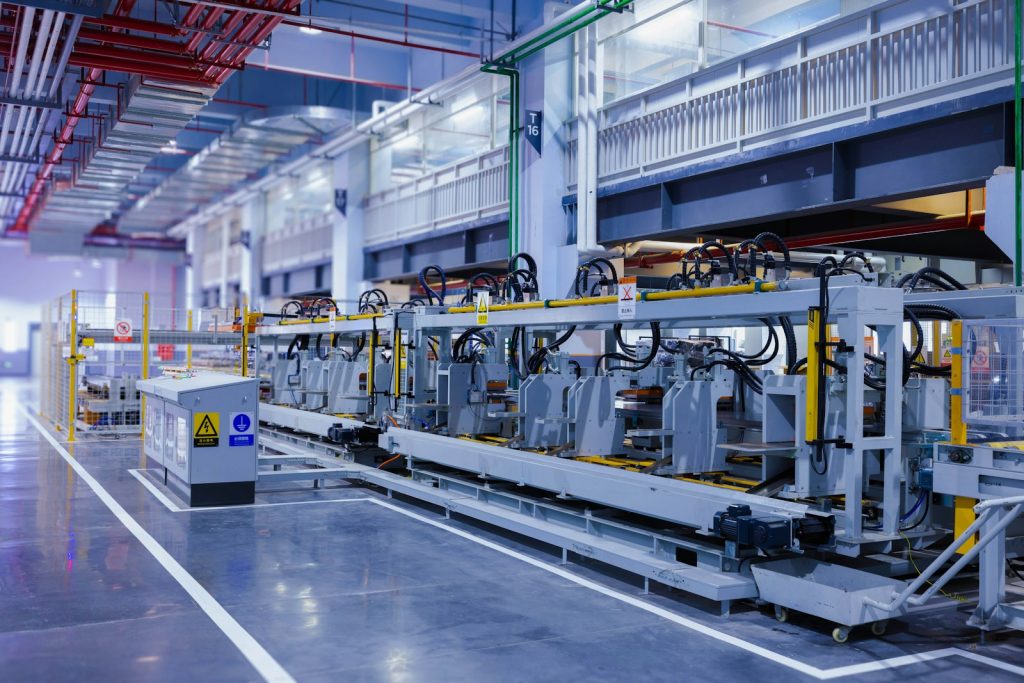
Industrial Special Risks Insurance is a form of commercial property insurance commonly used by businesses with property spread across several locations, high-value assets or complex operations.
It’s a form of insurance that can cover almost all risks and perils a business (typically one with high-value assets and/or assets across multiple locations) may face during its operations.
Rather than simply covering a short list of specifically named events, ISR policies are generally written on a broad basis, subject to the exclusions, conditions, deductibles, sub-limits and overall limits contained within the policy.
This can make ISR more flexible than many standard commercial insurance products. That being said, broad cover does not mean unlimited cover, so understanding exactly what is insured, what is excluded and what limits apply is essential.
What does ISR Insurance cover?
An ISR policy will usually be built around two major areas: Material Damage and Business Interruption.
Material Damage
Material Damage cover is designed to protect insured physical property against loss or damage caused by an insured event.
Depending on the policy, insured property may include:
- commercial buildings and improvements
- plant and machinery
- stock and raw materials
- contents and equipment
- fixtures and fittings
- property at multiple locations
- certain property belonging to others for which the insured business is responsible.
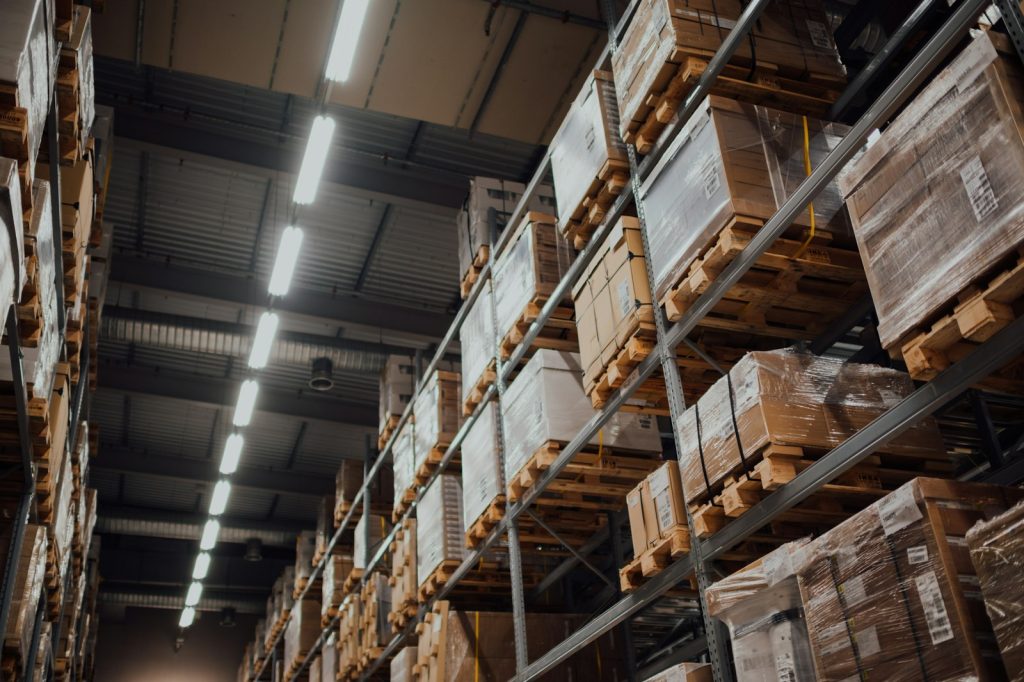
Let’s say that you are a manufacturer operating from a large production facility. If a fire significantly damages the premises, the loss may extend well beyond the building itself: production machinery, electrical systems, raw materials, finished stock, office equipment and other assets could all be affected.
The total financial cost of returning the site to its previous operating condition can therefore be considerably higher than the obvious physical damage.
Business Interruption
Replacing damaged property is only one part of recovering from a major loss: you may also be unable to trade normally for weeks or months while repairs are completed, specialist equipment is sourced or temporary premises are established.
Business Interruption Insurance may be your answer to this. It can provide protection for ongoing business costs when an insured event interrupts normal operations, such as cyber events (like ransomware and Denial of Service (DDoS) attacks), product recalls, equipment breakdown and fire damage affecting business property.
Depending on the policy and circumstances, Business Interruption cover may respond to costs or losses involving:
- lost gross profit or revenue
- continuing operating expenses
- additional costs required to keep the business operating
- temporary relocation expenses
- increased costs of working
- certain customer or supplier-related interruptions
- other financial consequences arising from insured property damage.
For many organisations, this component can be every bit as important as the property cover itself.
A building may be repaired within a certain period, but restoring production, rebuilding stock levels and winning back customers can take considerably longer.
This is why we recommend clients choose appropriate indemnity periods as part of their ISR reviews.
Which businesses should consider ISR Insurance?
We highly recommend speaking to an experienced business insurance broker (like us!) to assess whether ISR Insurance is suitable for your situation.
Typically, there is no universal turnover level at which a business automatically needs an ISR policy – what matters more is the scale and complexity of the potential loss.
In saying this, a better guiding question would perhaps be: what would happen financially if one of your major sites or assets became unusable tomorrow?
As such, ISR Insurance may be appropriate for businesses with:
- complex manufacturing or processing operations
- material exposure to Business Interruption losses
- specialised or unusual property risks
- substantial property values
- expensive plant and machinery
- significant stock holdings
- multiple business locations
- sophisticated contractual or insurance requirements.
But this isn’t a complete list. For example, industries where ISR cover may be relevant include manufacturing, transport and logistics, construction, wholesale operations, mining services, property ownership, aged care and other organisations with substantial physical assets.
As an evolving company, you may also reach a point where insurance arrangements that were perfectly adequate several years earlier no longer reflect the current state of your organisation.
Contact us if you would like to discuss whether ISR Insurance is important for your business.
ISR Insurance vs generic “Business Insurance Packs”
General Business Insurance, which can sometimes be called a Business Insurance Pack, can be an effective option for many small and medium-sized Australian businesses. It may combine a number of common covers into a single policy, including property, Business Interruption, liability and other commercial risks.
ISR Insurance generally becomes more relevant when your organisation’s property exposures become larger or more complicated. And the distinction is not simply about how much revenue your business earns, either – it is also about the complexity of your risks.
An ISR policy can typically be structured in greater detail around different locations, declared property values, Business Interruption exposures, sub-limits and specific features of the insured organisation.
Two businesses with similar turnover may have completely different property exposures and therefore require very different insurance arrangements. As such, we highly recommend speaking to a good business insurance broker to ensure your business receives adequate protection relative to your unique situation.
What events can ISR Insurance cover?
Your ISR Insurance coverage depends on the wording of the policy placed with the insurer. As a general guide, potential insured events may include loss associated with:
- fire
- storm
- explosion
- accidental damage
- impact
- malicious damage
- certain forms of water damage
- theft or damage following theft
- other accidental physical loss or damage that is not otherwise excluded.
Note that certain risks may also have separate sub-limits, deductibles, conditions or exclusions. You should therefore avoid assuming that something is automatically covered simply because an ISR policy is described as broad or written on an “all risks” basis.
The Australian Government recommends reviewing insurance against the risks facing the business and understanding exactly how important terms are defined within individual policies. This is particularly relevant for risks such as flood and natural catastrophe exposures, where policy wording can make a significant difference.
What is commonly excluded from ISR Insurance?
Exclusions vary between policies and insurers, so the wording of the individual contract should always be reviewed. Depending on the policy, exclusions or limitations may apply to areas such as:
- wear and tear
- gradual deterioration
- defective design or workmanship
- mechanical or electrical breakdown
- pollution or contamination
- cyber events
- war
- nuclear risks
- certain infectious disease exposures
- specific natural catastrophe risks
- property that has not been properly declared or insured.
An excluded exposure does not necessarily mean it cannot be insured at all. In some cases, the risk may be addressed through an extension, additional section of cover or a separate insurance policy.
For example, if you are a manufacturer that relies heavily on specialised production machinery, you may need to consider Machinery Breakdown Insurance in addition to its ISR arrangements.
Likewise, businesses with significant technology and data exposures should assess Cyber Insurance separately rather than assuming a traditional property policy will provide adequate protection.
Your aim should not be to purchase every form of insurance available. Your aim should be to understand the events capable of causing serious financial harm and make informed decisions about how those risks should be managed.
The danger of getting your property values wrong
One of the most significant weaknesses in an insurance program can arise from outdated property values. If the financial figures you declare to insurers do not accurately reflect the exposures of your business, that mismatch may only become apparent after a major loss.
A thorough ISR review should consider areas such as:
- current building replacement costs
- plant and equipment values
- stock levels and seasonal fluctuations
- debris removal costs
- professional fees
- increases in construction costs
- the time and expense involved in reinstating operations.
Business Interruption calculations deserve the same attention. Current revenue figures may not accurately represent where the organisation will be twelve or twenty-four months from now, particularly for a growing business.
Why work with an insurance broker for ISR?

ISR Insurance can become technical very quickly, so the challenge is not simply obtaining quotes from insurers. In fact, much of the important work happens before the insurer is approached, and a good insurance broker will be able to assist with this.
Besides the fact that good brokers can help your company access insurance products from multiple insurers, they know how to position your company in a favourable position, especially when it comes to potential claims.
For businesses with more complex property exposures, an experienced insurance broker can help:
- identify major uninsured or underinsured risks
- review existing policy wording
- review declared property values
- assess Business Interruption requirements
- prepare underwriting information
- approach appropriate insurance markets
- compare coverage rather than focusing only on premium
- negotiate policy terms and extensions
- assist during the claims process.
Also, importantly, chasing Business Insurance with the lowest premium does not necessarily represent the best outcome if the policy fails to respond as expected when the business suffers a serious loss. In fact, setting up the wrong policies could spell disastrous consequences for your business.
Is your current ISR Insurance still right for your business?
Insurance should not simply be renewed each year without considering how your organisation has changed. And neglecting to inform insurers about those changes can have significant financial implications on your business should you need to make a claim.
If you are wondering if you are overinsured, underinsured or spending unnecessarily on premiums, speak with Crucial Insurance and Risk Advisors about a complimentary Industrial Special Risks Insurance review.
References
- Australian Securities and Investments Commission (ASIC), IDR Data Reporting Handbook, December 2025
- Australian Government, business.gov.au, Types of Business Insurance
- Australian Government, business.gov.au, Prepare Your Business for an Emergency
- Federal Register of Legislation, Terrorism and Cyclone Insurance Act 2003
- Australian Reinsurance Pool Corporation, Terrorism Insurance
- Australian Government, business.gov.au, Manage Your Business Insurance
 This article was written by Tony Venning,
Managing Director at Crucial Insurance and Risk Advisors.
For further information or comment please email info@crucialinsurance.com.au.
Important Disclaimer – Crucial Insurance and Risk Advisors Pty Ltd ABN 93 166 630 511 AFSL 45150. This document provides information rather than financial product or other advice. The content of this document, including any information contained on it, has been prepared without taking into account your objectives, financial situation or needs. You should consider the appropriateness of the information, taking these matters into account, before you act on any information. In particular, you should review the product disclosure statement for any product that the information relates to it before acquiring the product.
Information is current as at the date documents are written as specified within them but is subject to change. Crucial Insurance, its subsidiaries and its associates make no representation as to the accuracy or completeness of the information. All information is subject to copyright and may not be reproduced without the prior written consent of Crucial Insurance.